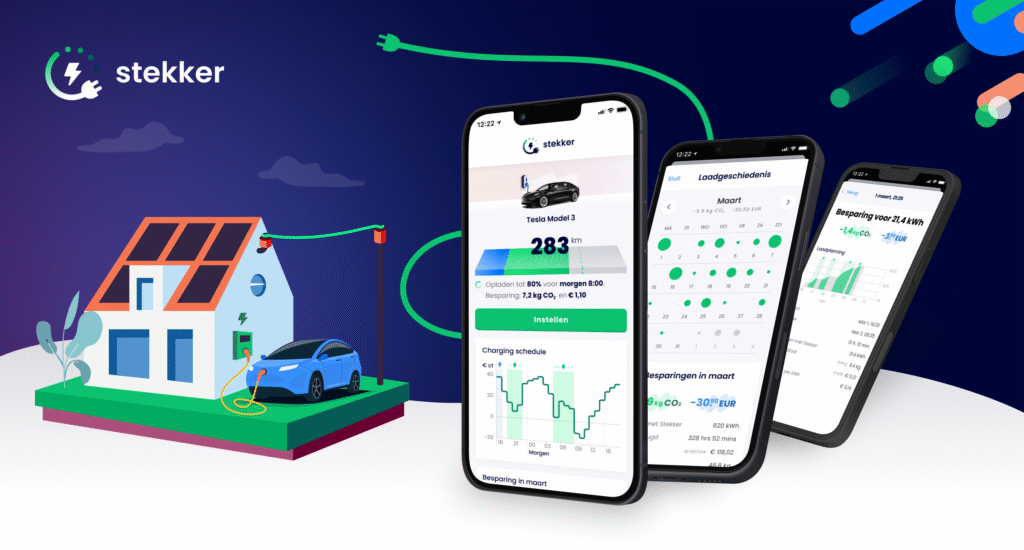

Stekker is going to offer the certificates for home charging and have them traded on the market. What they bring in goes to the people who charge at home. With that, Stekker is opening its doors to consumers again.
Where the payment comes from
Since 1 January 2026, every kilowatt-hour you charge into an electric car at home earns emission reduction units. Driving on electricity emits less CO₂ than driving on petrol or diesel, and that difference is worth a tradeable certificate. Fuel suppliers are legally required to lower their emissions and buy those certificates. The Dutch Emissions Authority runs the register.
One kilowatt-hour charged at home earns 0.33269 units in 2026. The category home charging falls under is LRE-E: L for land transport, E for electricity.
What Stekker does
Stekker registers your charged kilowatt-hours every month in the Register Energie voor Vervoer, bundles the certificates of all customers into a tradeable volume, and sells them on the market through a broker. Of the proceeds, 85% goes to you.
What you need
You charge at home, your charger has an MID-certified kWh meter, and you authorise Stekker to register the units on your behalf. We have to be able to prove that consumption to the NEa, hence the meter. The app walks you through connecting the charger, no electrician needed. Payout generally takes place per quarter.
For businesses too
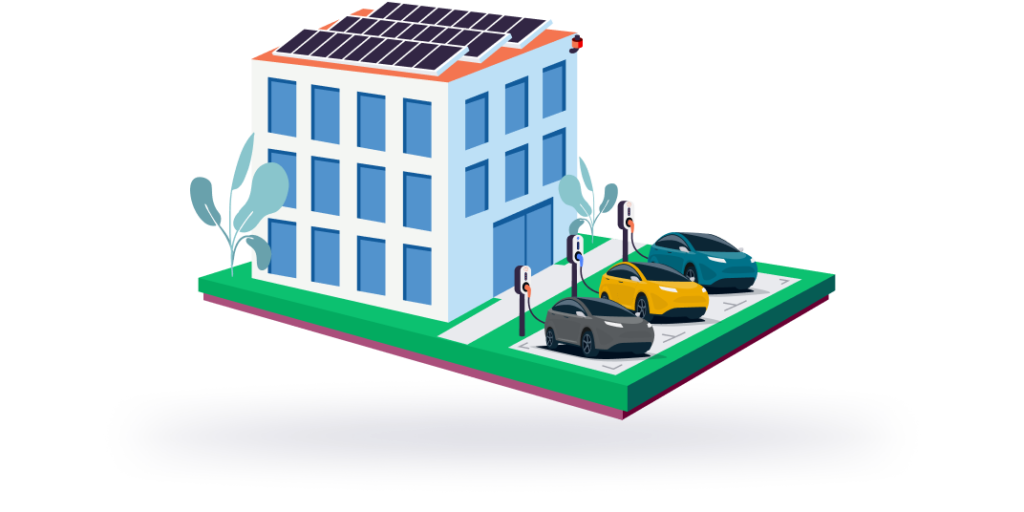
Home charging also happens on the company’s account: lease drivers, company cars, employees with a charger on the driveway. Stekker registers those kilowatt-hours just the same and trades the certificates. What a fleet earns depends on the number of cars and how much of the charging happens at home. Get in touch if you want to know what is possible.
And more is coming
Alongside the payment per kilowatt-hour, Stekker is working on grid-aware charging: letting your charger charge more slowly during the busiest moments on the grid in winter, with a fixed fee for it. And on smart charging on your own solar power and on dynamic quarter-hourly prices.