Op dit moment is ‘groene stroom’, zoals al jaren verkocht door duurzame energieaanbieders, vooral een financieel product. Het zorgt ervoor dat stroom die wordt verbruikt onder het ‘groene contract’ netjes afgerekend wordt met producenten van groene stroom.
Deze certificatenhandel heeft een oprechte intentie. Het onderhoudt zonneparken, windmolens en waterkrachtcentrales, en maakt nieuwe investeringen daarin mogelijk.
Maar als we het hebben over harde CO2 moleculen hebben die in de atmosfeer terechtkomen en voor versnelde klimaatverandering zorgen, dan zit er nog steeds veel ‘grijze’ (fossiele) stroom in de mix. Er zijn slimmere manieren om ervoor te zorgen dat de stroom die je gebruikt echt zo groen mogelijk is.
Zoals op de juiste momenten stroom verbruiken.
Groene Stroom
Het elektriciteitsnetwerk zelf maakt geen daadwerkelijk onderscheid tussen groene of grijze stroom: wanneer je de stekker in het stopcontact steekt, krijg je een mix van alle elektriciteit die op dat moment in het netwerk aanwezig is.
Dat is niet de beste oplossing. Je kan de stroom vanuit duurzaamheidsoogpunt namelijk het beste gebruiken op momenten dat de zon schijnt. Een beetje goed plannen kan enorme gevolgen hebben voor de daadwerkelijke uitstoot van je huishouden of bedrijf. Dat goed plannen is wel lastig, want wind-, water- en zonnestroom zijn soms niet beschikbaar en soms juist in overvloed.
Door goed te letten op de marktsituatie en het weer, kan je je stroomverbruik flink vergroenen.
Schone stroom
De oplossing waar we vandaag al gebruik van kunnen maken? Zoveel mogelijk auto’s opladen als de zon schijnt of de wind waait.
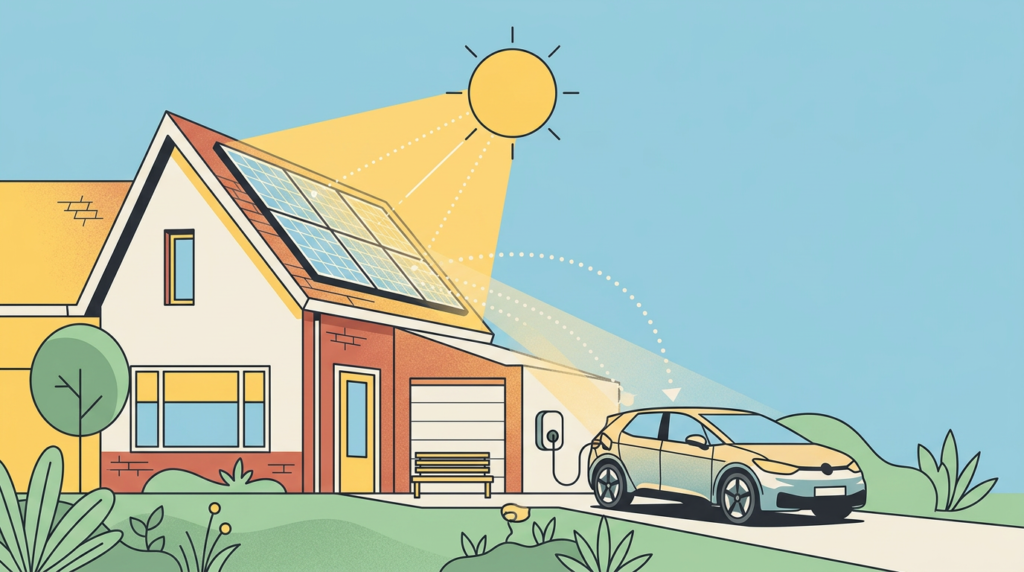
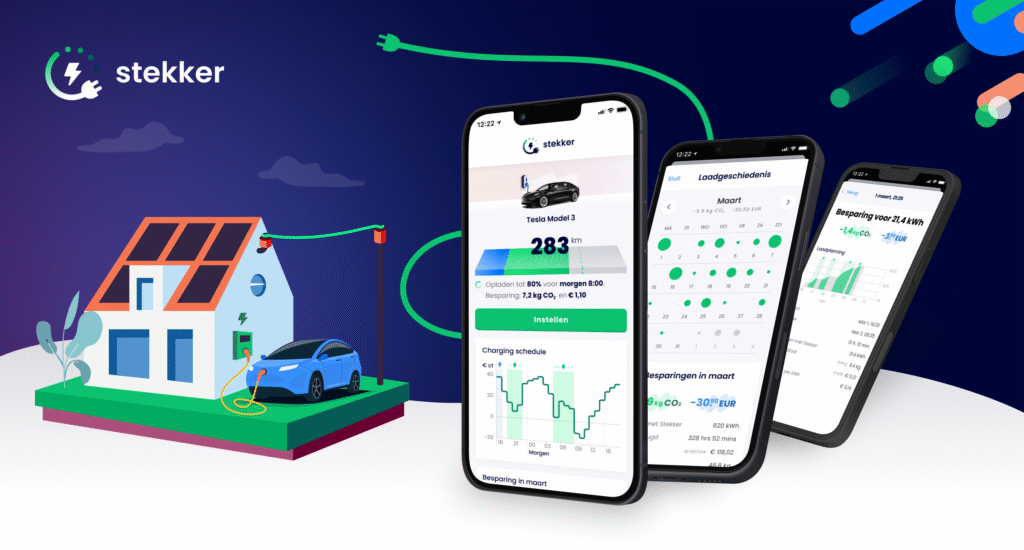
Wat Stekker met het slim laden van auto’s probeert te doen, is opladen op momenten dat de zon schijnt en de wind waait. Die gegevens komen uit marktdata, weersvoorspellingen en andere publieke gegevens.
Op die momenten kan je er met slimme software voor zorgen dat auto’s beginnen te laden, wasmachines beginnen te draaien en airco’s het huis gaan koelen of verwarmen. Op die manier verbruik je dan dus stroom die écht groen is, in plaats van grijze stroom die slechts opgewekt is via een certificaat.
Tegenwoordig is het al zo dat duurzame stroom ook goedkope stroom is. Er hoeft immers geen brandstof te worden verbruikt: een zonnepaneel hoef je maar één keer te bouwen, en dan stroomt er 20 jaar lang elektriciteit het net op, zolang er maar zon op schijnt.
Hoe vangen we de pieken groene stroom op?
Dankzij de grootschalige uitrol van zonne-energie en windenergie, gaat het de laatste tijd goed met het aanbod van groene stroom. Bijkomend probleem is wel, dat het stroomnet er nu soms wat instabiel van wordt. Op die momenten is het elektriciteitsnet dermate overspannen, dat die schone stroom niet alleen heel schoon is, maar ook ontzettend goedkoop: op dagen dat de zon schijnt en de wind waait, is elektriciteit nu vaak zo goedkoop, dat je soms zelfs geld erop toekrijgt om het af te nemen. Soms wordt deze stroom zelfs nutteloos weggebrand.
Het elektriciteitsnet – alle kabels, transformatorhuisjes en hoogspanningsmasten samen – moet altijd in een perfecte balans zijn. Komt er te weinig stroom het net op? Dan vallen apparaten uit. Komt er te véél stroom het net op? Dan loopt de spanning op en gaan op een gegeven moment apparaten afschakelen.
Dat willen we liever niet. Veel beter zou het zijn als we die pieken kunnen opslaan in auto’s, die het grootste gedeelte van de tijd toch maar stilstaan op een parkeerplaats of ergens langs een straat.
Door slim om te gaan met een serie elektrische auto’s die gekoppeld zijn als een virtuele batterij, kunnen we het net ontlasten, meer duurzame stroom gebruiken en -mits ze het juiste contract hebben- soms zelfs gratis stroom afnemen.